
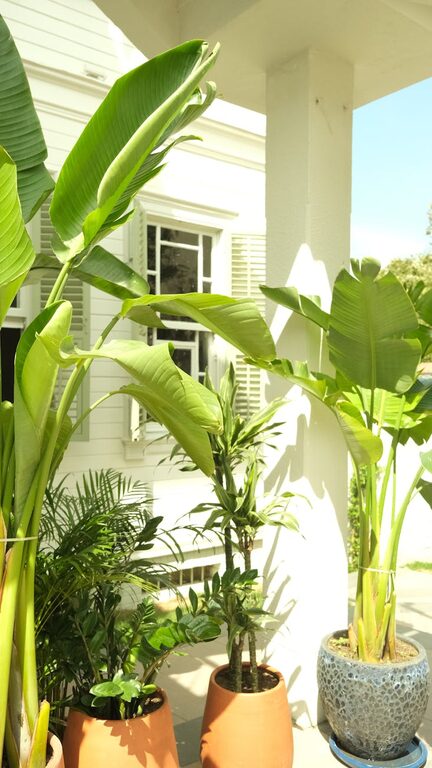
Creating a relaxing garden space at home is a wonderful way to enjoy fresh air, connect with nature, and unwind after a busy day. Whether you have a large garden or a small patio, a few thoughtful touches can help turn your outdoor area into a calm and inviting retreat. In this post, we’ll explore practical tips to help you design and maintain a garden space that promotes relaxation and wellbeing.
1. Plan Your Garden Layout Thoughtfully
Before planting or adding furniture, think about how you want to use your garden space. Consider what makes you feel relaxed—whether that’s quiet solitude, a sunny spot for reading, or an area for gentle socialising.
– Define zones: Create separate areas for different purposes, such as a seating area, a small lawn, or a flower bed.
– Use pathways: Simple paths can guide visitors through your garden and add structure.
– Consider privacy: Use hedges, trellises, or screens to block noise and neighbours’ views, increasing the sense of peace.
2. Choose Soothing Colours and Plants
The plants and colours you select can significantly influence how calming your garden feels.
– Opt for soft colours: Pastel shades like lavender, pale pink, and soft green promote a tranquil atmosphere.
– Include fragrant plants: Lavender, jasmine, or rosemary can delight your senses and create a soothing scent.
– Use a mix of textures: Combine leafy plants with flowers and grasses for visual interest without overwhelming the space.
– Incorporate evergreens: They offer year-round greenery, helping the garden feel lively in all seasons.
3. Select Comfortable and Suitable Outdoor Furniture
Comfortable seating is fundamental to enjoyment and relaxation in your garden.
– Choose cosy chairs or benches: Look for furniture with cushions to encourage long, comfortable stays.
– Add a hammock or swing: These can enhance the feeling of leisure and offer a gentle rocking motion.
– Provide shade: Use umbrellas, pergolas, or shade sails to protect against excessive sun.
– Consider materials: Weather-resistant furniture like teak, rattan, or metal can be durable and stylish.
4. Incorporate Water Features for Calming Sounds
The sound of water is widely recognised as relaxing and can help drown out noise pollution.
– Install a small fountain: A trickling fountain adds gentle sound and movement to your space.
– Use birdbaths or ponds: These invite wildlife, enhancing your connection to nature.
– Consider a DIY water feature: Even a simple bowl with floating candles or flowers can have a soothing effect.
5. Create Lighting for Ambiance and Safety
Good lighting extends the usability of your garden into the evening and sets a calm mood.
– Use soft, warm lights: String lights, lanterns, or solar-powered lamps provide gentle illumination.
– Highlight focal points: Illuminate paths, plants, or seating areas to create depth and interest.
– Avoid harsh lighting: Bright spotlights can disrupt relaxation and disturb neighbours.
6. Add Personal Touches and Accessories
Make the space your own by adding elements that reflect your style and bring joy.
– Place outdoor cushions and throws: Add colour and comfort.
– Use garden sculptures or ornaments: Choose minimal designs that complement rather than clutter.
– Incorporate plants in pots or containers: They are flexible and easy to move or change.
– Hang wind chimes: Gentle sounds can enhance peacefulness.
7. Maintain Your Garden Regularly
A tidy garden with well-cared-for plants feels more inviting and less stressful.
– Prune and deadhead regularly: Keeping plants healthy promotes growth and beauty.
– Keep paths clear: Remove weeds and debris to avoid hazards and maintain appearance.
– Water appropriately: Early morning or late evening is best to reduce evaporation and protect plants.
8. Consider Adding Mindful or Active Elements
For some, relaxation includes gentle activity or mindfulness practices in the garden.
– Create a yoga or meditation space: A quiet corner with a mat or cushion can encourage regular practice.
– Include sensory plants: Plants with varied textures, scents, and colours can engage your senses when touched or smelled.
– Install garden games or a reading nook: These can offer enjoyable, peaceful activities.
—
Final Thoughts
Designing a relaxing garden doesn’t require a lot of space, money, or time—just some thoughtful planning and a few cozy details. By focusing on comfort, natural beauty, and tranquility, you can create an outdoor haven that enhances your daily wellbeing and encourages you to spend more time outdoors. The garden you create will be a peaceful refuge to enjoy fresh air, reflect, and simply be.
Start with small changes and build your perfect relaxing space gradually—your garden sanctuary awaits!